It can be a challenge to maintain a healthy lifestyle in the hustle and bustle world that we live in. Time seems to vanish. We all know that taking good care of our bodies and minds can make a difference in how healthy we are in general and how well we cope or enjoy life. Yet, many people feel guilty when they take a break from their hectic pace, so they do not do it enough.
We hear a lot about the need for rest and relaxation, and because both occur while you are awake the terms are used interchangeably. Rest and relaxation work hand in hand to remove the tightness from your body and stress from your minds. Both are energizing, but there is a difference.
What is Rest
Rest is a period of physical inactivity when you take time to calm your mind and let your muscles and organs recover strength. When you rest you do not need to sleep or even lie down. You can take a break from the hectic pace and pressure of daily life by simply closing your eyes and quieting your thoughts. That give your neurons an opportunity to recharge from the busyness of doing, thinking, or being engaged in activity. Too often people only rest when they feel tired. That is not ideal for cognitive function. Frequent, rest periods of even one to five minutes will energize you and boost your brain power.
What is Relaxation
Relaxation occurs while you are awake and usually entails engaging in activities that you enjoy. Relaxation, be it a spirited time with friends or a quiet game of chess, is your minds way of rejuvenating. Relaxation reduces stress or anxiety, improves mood and cognitive functioning, boosts immunity, and improves ability to cope with adversity. Even a five-minute relaxation break at various times throughout the day leads you toward better health and spirits.
Sleep is not a Luxury
Sleep is as necessity for your brain health as eating and breathing is to your survival. Lack of sleep impacts your metabolism which results in less energy. Energy powers everything you do from moving to thinking to growing. That means that sleep is vital for sustaining your body's physicality and cognitive abilities. Sleep is the only time in which your brain is able to wash away the build-up of the toxic by-products of cell metabolism, the waste protein that has accumulated over the day and can build up and cause dementia. Sleep is the only time that your brain can organize everything you have learned and experienced.
Make Down Time a Priority
Investing in both rest and relaxation will prepare you for a more restful sleep. They protect you from burnout. This is particularly important when you are having a stressful day both mentally and physically. Make down-time a priority by introducing any of the following rest and relaxation strategies outlined in the next two sections.
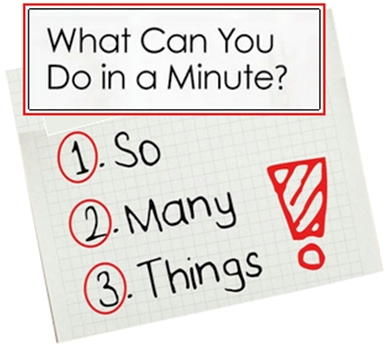
Remember frequent rests are beneficial; they will energize you. Taking a restful break does not require a big chunk of time and most restful breaks can be accomplished at any time of the day or at any place.
In task-related activities that increase energy expenditure, your body regularly releases adrenaline and cortisol which can result in muscle tension. Being immersed in the busy noisy world takes its toll on the brain, too. To ease both your body and mind, the important thing is to be alone and tune out of the hustle and bustle around you. Taking five minutes to be alone without the distraction of a cell phone or being engaged in a conversation or work project can make a big difference. It is your time to chill out, do your own thing. There may be days when you can make time to stroll in the park, get away to a quiet corner to eat lunch alone or read, but when time seems at a premium you can still engage in a state of calm by adding some of these one-minute or five-minute calming techniques to your daily routine:

Do you need a Reminder to Take a Rest Break?
Do you need a reminder to chill out once in a while? Set an alarm for random times of the day so you will be reminded to stop and disrupt your body's stress response cycle. Take just a moment for yourself, even if all you do is simply appreciate what surrounds you. It might be a tree swaying in the wind, the sight of a mother and child holding hands, or enjoying a photograph of a peaceful place. People find different things relaxing so you could make a long list for yourself and pick something new to try everyday.
Put Relaxation on your Daily Agenda
We live in a work-driven culture where relaxation is perceived as unproductive. Chilling out or pausing to unwind is hardly unproductive since its value is in keeping you healthy and happy. It is probably safe to assume that a huge part of your day is scheduled – getting to classes or work on time, meeting deadlines, doing what you are paid to do, or doing what is expected of you. Schedules are an effective tool for keeping life organized or making sure you get things done so why not make sure you focus your attention on ways to enjoy life and schedule those things into your day as well.
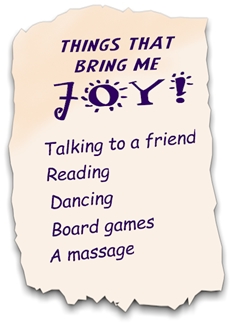
Think about the last time you did something truly joyful or mellow? When you are suddenly faced with free time are you able to engage in an activity that truly mellows you out or energizes you? Wouldn't it be wonderful to make a "Joy List" identifying the perfect things you would like to do, so when you do have leisure time something on your "Joy List" will look appealing!
Silly antics are not just for children in the school yard. Do something silly and playful. Laugh out loud; it relieves physical tension, reduces stress and increases immunity.
Set aside time in your schedule to do something you find relaxing:
Investing in periods of rest and relaxing is particularly important at work, especially when you are having a stressful day both mentally and physically. Your brain takes a heavy hit from chronic stress, persistent overwork, a hectic and energy-draining lifestyle, and anything else that lessens your attention span or makes you feel frazzled and dull-witted. So much time is spent at work, so there is no point in enduring day to day stress or exhaustion.
When you take regular relaxation and activity breaks several times during the work day you actually boost brain power and the benefits will be reflected in the work you do.
Could it be that you are too anxious to relax? Worry causes stress and can be counterproductive to relaxation. Try scheduling an anxiety break into your day. Spend fifteen minutes to write down your most pressing worries and work through them so that you can stop thinking about them when it is time to relax or go to sleep.
Doing something relaxing for at least thirty minutes before bedtime is one of the best things you can do for yourself in preparation for a restful sleep. But choose wisely. Not everything we do is ideal for sleep. Heavy exercise may tire you, but it does not induce good sleep. Accessing the TV, laptop, or cell phone in bed is not good for sleep. You may not be aware of how the light may be keeping you awake. Doing stressful things – like trying to multitask at night or long hours of study – will keep you from sleeping. It's better to plan to study in the morning or curtail study by early evening. If you must study or doing something mentally stressful you should plan to stop early enough to allow for at least thirty minutes of time to relax afterwards to prepare you for seven hours of good sleep.