Breathing is a natural
process that you do all day, without paying much attention to it. Breathing can also be a powerful tool when you
face an unexpected or trying situation.
You know, when your blood pressure shoots up,
your muscles become tense and the stress leaves you scrambling internally to
find a way to relax. Focus on breathing
might not be the first thing that comes to mind. Yet, intentional or mindful breathing is a
handy built-in stress reliever that you can train your body to use when you
need help you lower your blood pressure, slow down your racing mind and clear
your head to focus more clearly on how to overcome a nerve-racking situation. Breathing with intentional helps you sooth your rattler nerves and reduce the tension in your body so you can allow yourself to feel centered and balanced no matter what's going on around you.
This is a great technique because you can practice it anywhere, no matter what your age or fitness level might be. Using intentional breathing exercises in your everyday life can yield positive results for your healing and your overall well-being.
Ready to try it!. Let’s start by taking a moment to become aware of your natural breath. Breathe normally. Notice if it flows through your upper chest, lower belly, through your shoulder blades and sides.
This makes for an interesting exercise because most people notice that the simple act of placing attention on the breath slows down their respiration rate.
Breathing in oxygen is at the core of life. While you can live for days or weeks without water or food you can only live mere minutes without breath. For many of us deep breathing seems unnatural. According to Harvard Medical School professionals, there are several reasons for this. “For one, body image has a negative impact on respiration in our culture. A flat stomach is considered attractive, so women (and men) tend to hold in their stomach muscles. This interferes with deep breathing and gradually makes shallow "chest breathing" seem normal, but unfortunately increases tension and anxiety.
Shallow breathing limits the diaphragm's range of motion and lowest part of the lungs does not get a full share of oxygenated air. When you breathe in air, blood cells receive oxygen and release carbon dioxide. Carbon dioxide is a waste product that's carried back through your body and exhaled. Improper breathing can upset the oxygen and carbon dioxide exchange. Deep abdominal breathing encourages full oxygen exchange — that is, the beneficial trade of incoming oxygen for outgoing carbon dioxide – that you need for regulating emotions and immune systems.
When we want to improve health, society pushes us to change our diets, start an exercise program, or take medications. Given how critical breathing is, we hope you will consider making it a train your body to breathe more deeply. It’s free and easy, and extremely beneficial.
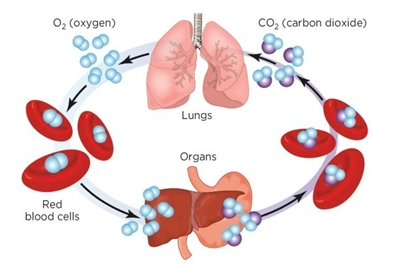
Intentional deep breathing or rapid breathing exercises will wake you up, give you more energy and help relax your internal systems to function more efficiently and effectively. Multitudes of studies show that deep breathing slows the heartbeat and lowers or stabilizes blood pressure, and helps balance other important processes in the body.
When you breathe deeply, the air coming in through the nose fully fills the lungs, and the lower belly rises. Focused deep breathing increases the supply of oxygen to the brain and major organs. Through breathing you create enough power to activate the vagus nerve which is the longest and most complex of the cranial nerves. It sends sensory fibres from your brain to all your visceral organs. The vagus nerve stimulates the parasympathetic nervous system which include sexual arousal, salivation, lacrimation, urination, digestion, defecation and basically restrains the body from overworking and restores it to a calm and composed state. The vagus nerve can inhibit inflammation and even help you make memories.
When you are struggling physically or mentally, create a routine to practicing intentional breathing for ten to twenty minutes each day. Though it may seem unusual at first, the exercise is not difficult. Sit comfortably or lie on your back. It is best if your eyes are closed. Choose a quiet comfortable location.
Conscious breathing helps your nervous system transition into relaxation mode. The calming effect helps you fall asleep. Before falling asleep try something called the 4-7-8 rhythmic breathing technique. Inhale through your nose for 4 seconds, holding your breath for 7 seconds, breathing out through the nose for 8 seconds.
Studies show that 20 minutes of slow-breathing exercises before going to sleep helps insomniacs get to sleep faster, wake up less frequently in the night, and then go back to sleep faster if they are awakened. You can use this technique to control cravings, as well.
For quick relief, you can practice these exercises anywhere and anytime. Unless otherwise specified these exercises are often best performed in a comfortable, seated or standing position, with neck and shoulders relaxed. Numbers 6 and 7 are rapid breathing exercises which contrast with the slow, deep breathing.